Story1 min read
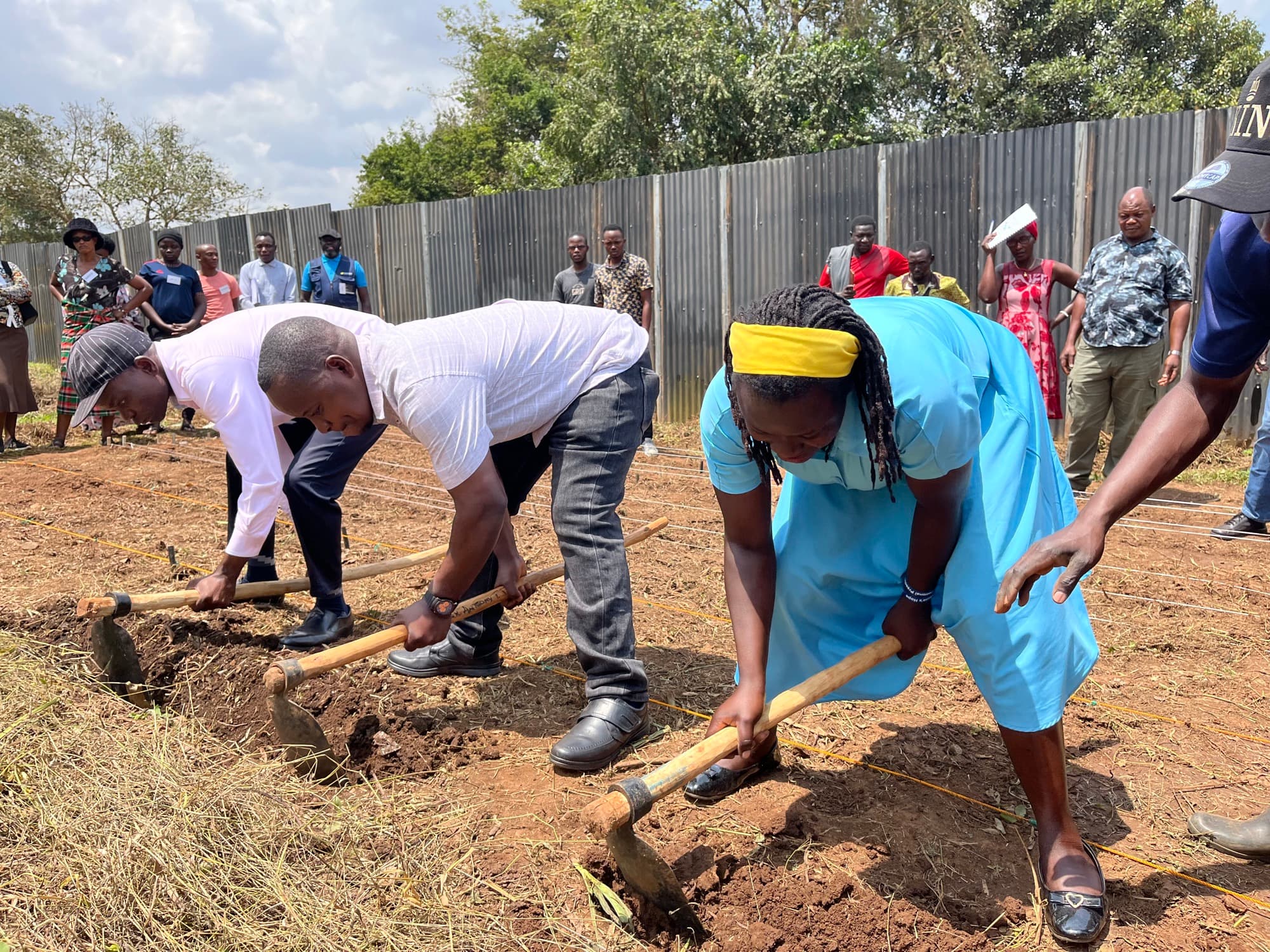
Why our staff dig the plot themselves
It takes longer, the groups have to be smaller, and it settles the question of who knows what. A note on how we run field sessions.
Field report
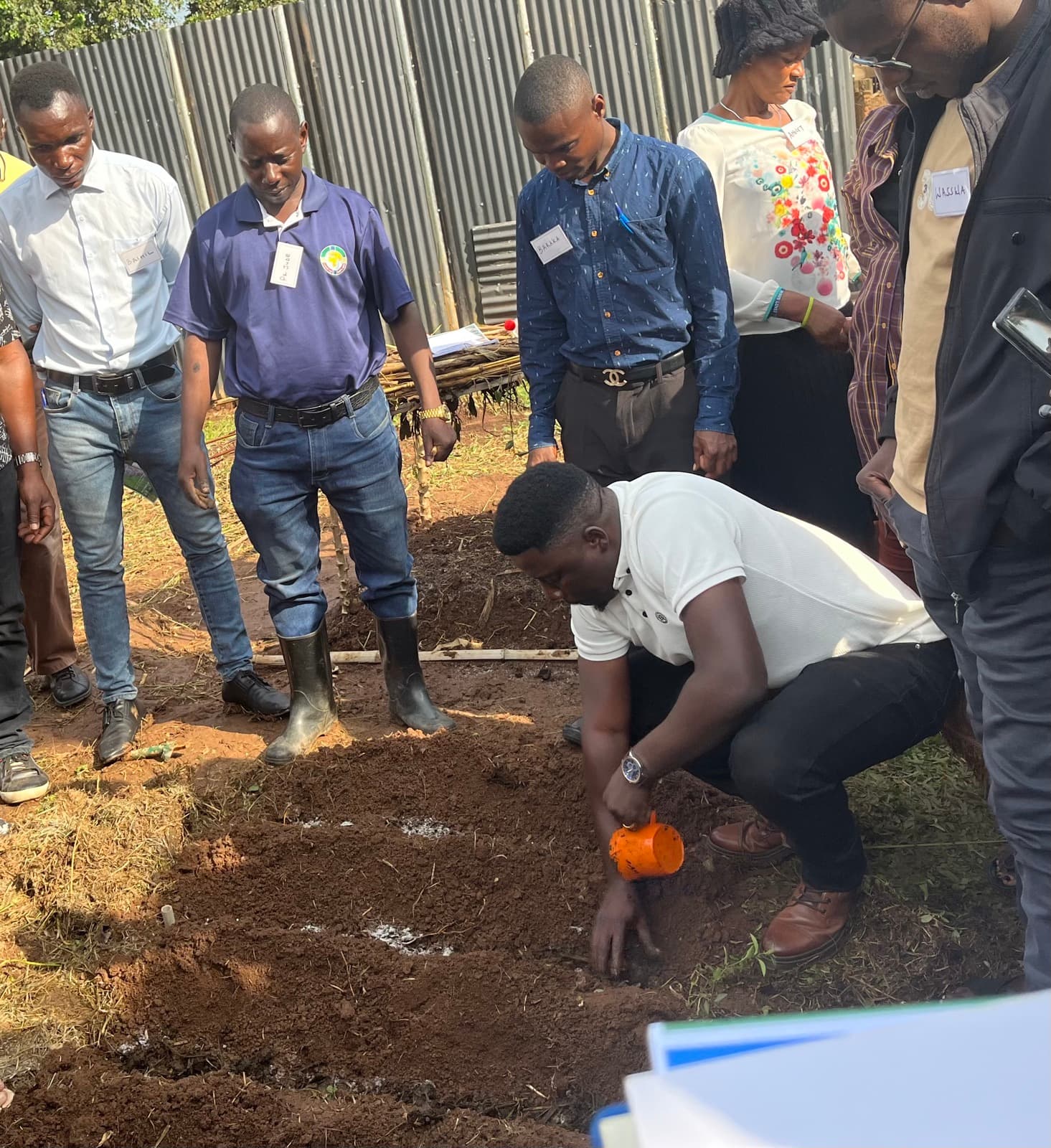
Five things we got wrong at the start, and what we changed. Attendance, contact hours, the questions farmers actually ask, and why every participant now leaves with a record sheet.
We have now run training sessions with 910 community members. That number is worth writing down, but the more useful thing is what the sessions taught us about how to run the next one.
Attendance held when the session was on a plot with tools. It fell whenever we opened with a presentation. We stopped presenting.
Groups we met once did not change practice. Groups we met four or five times across a season did. Adoption tracks contact hours far more closely than it tracks the quality of the material.
Farmers asked about price, about labour and about risk. If the answer to "what happens if this fails" is not honest, nothing else in the session lands.
Farmers who kept simple records were the ones who kept the practice. Seeing your own yield written down beats hearing about someone else's.
Every training group now runs across a season. Every session happens on a plot. And every participant leaves the first meeting with a record sheet.
Keep reading
It takes longer, the groups have to be smaller, and it settles the question of who knows what. A note on how we run field sessions.
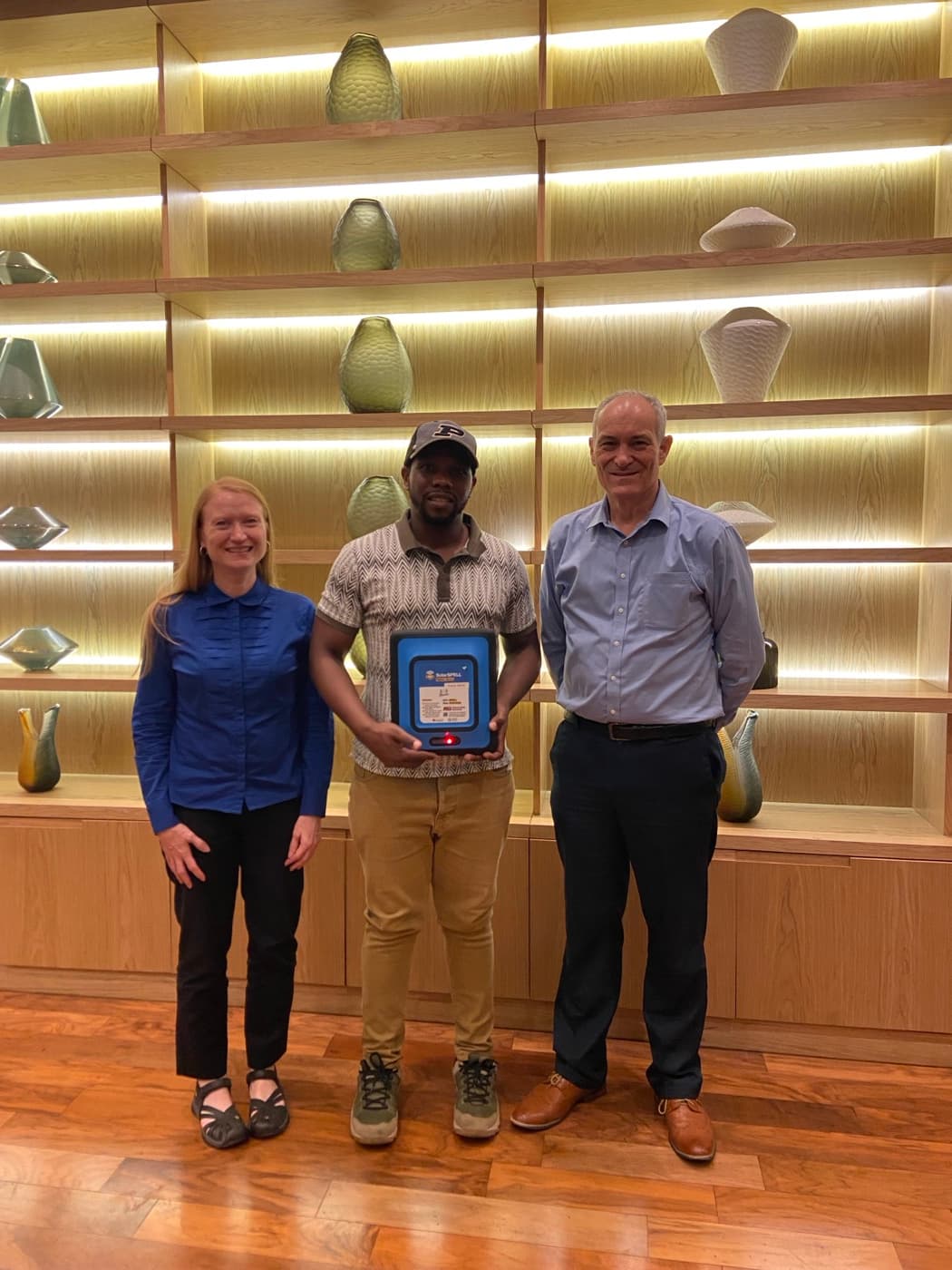
An organisation in West Lafayette, Indiana, joins our community wellbeing work. What we agreed, and what we committed to report back.
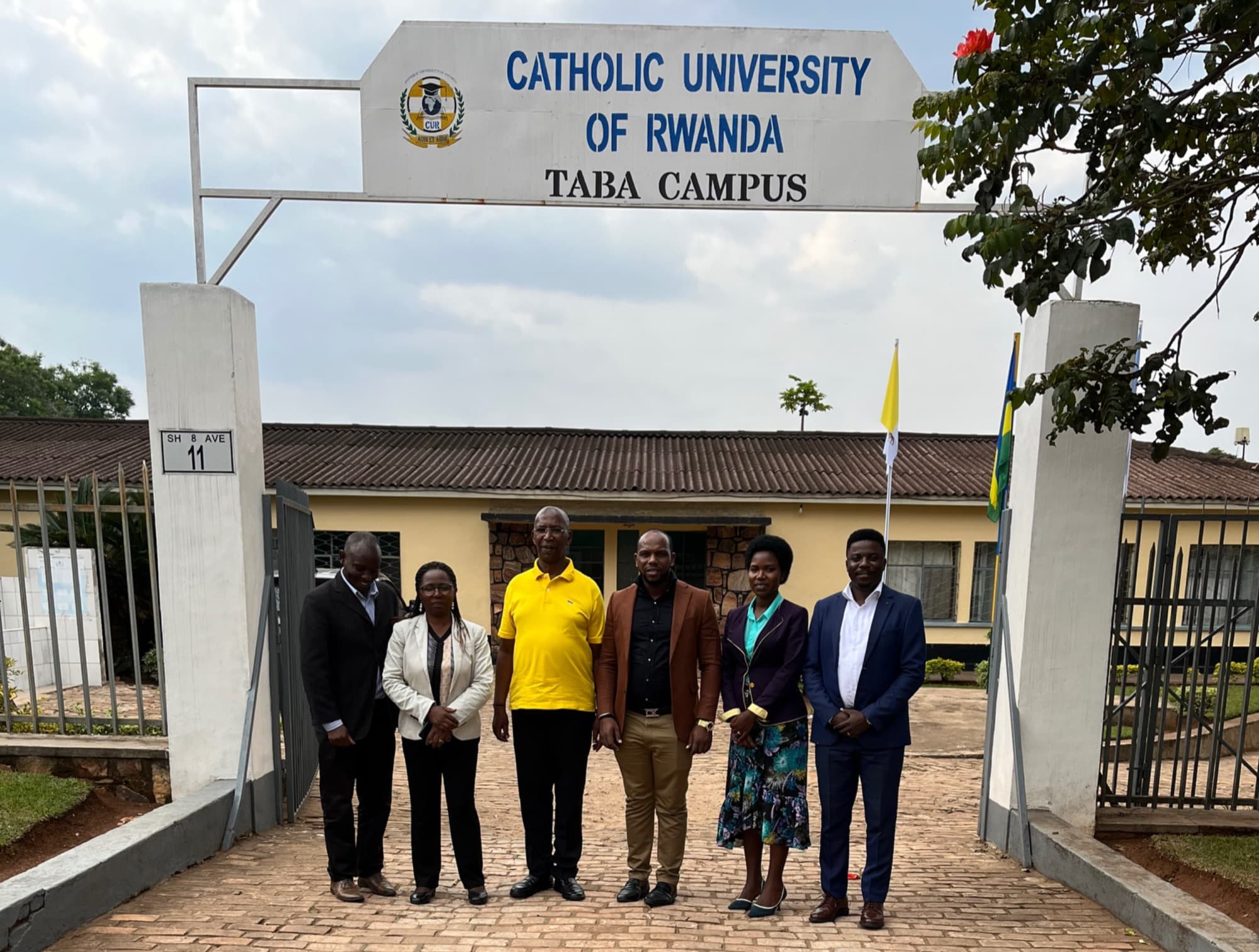
Signed at the Taba campus in Butare. The agreement covers digital agriculture, joint research and grant writing, and it brings students into our field teams.
Newsletter
A short email every month or so. Training reports, harvest results, and what we learned along the way. No noise.