It takes longer, the groups have to be smaller, and it settles the question of who knows what. A note on how we run field sessions.
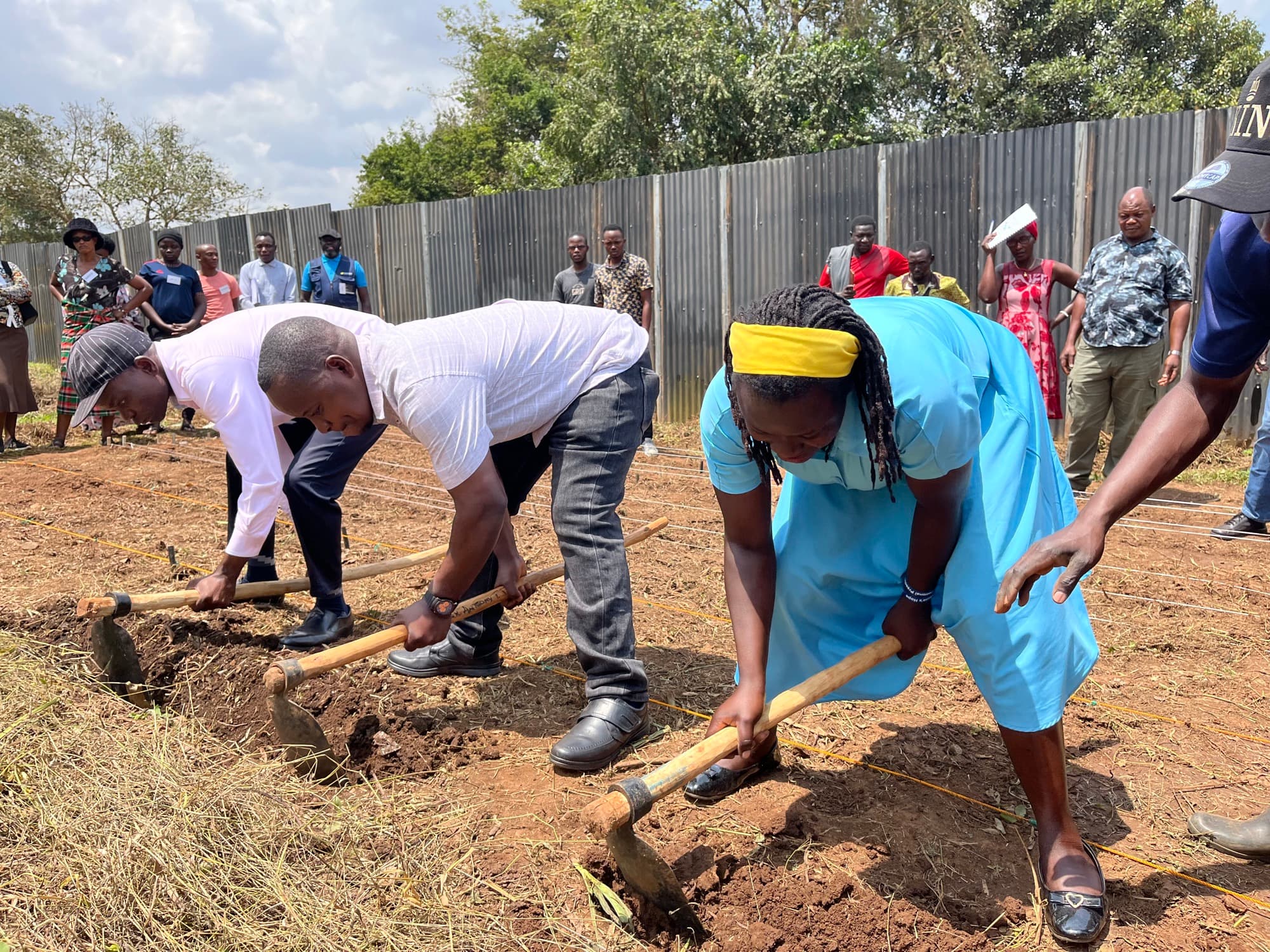
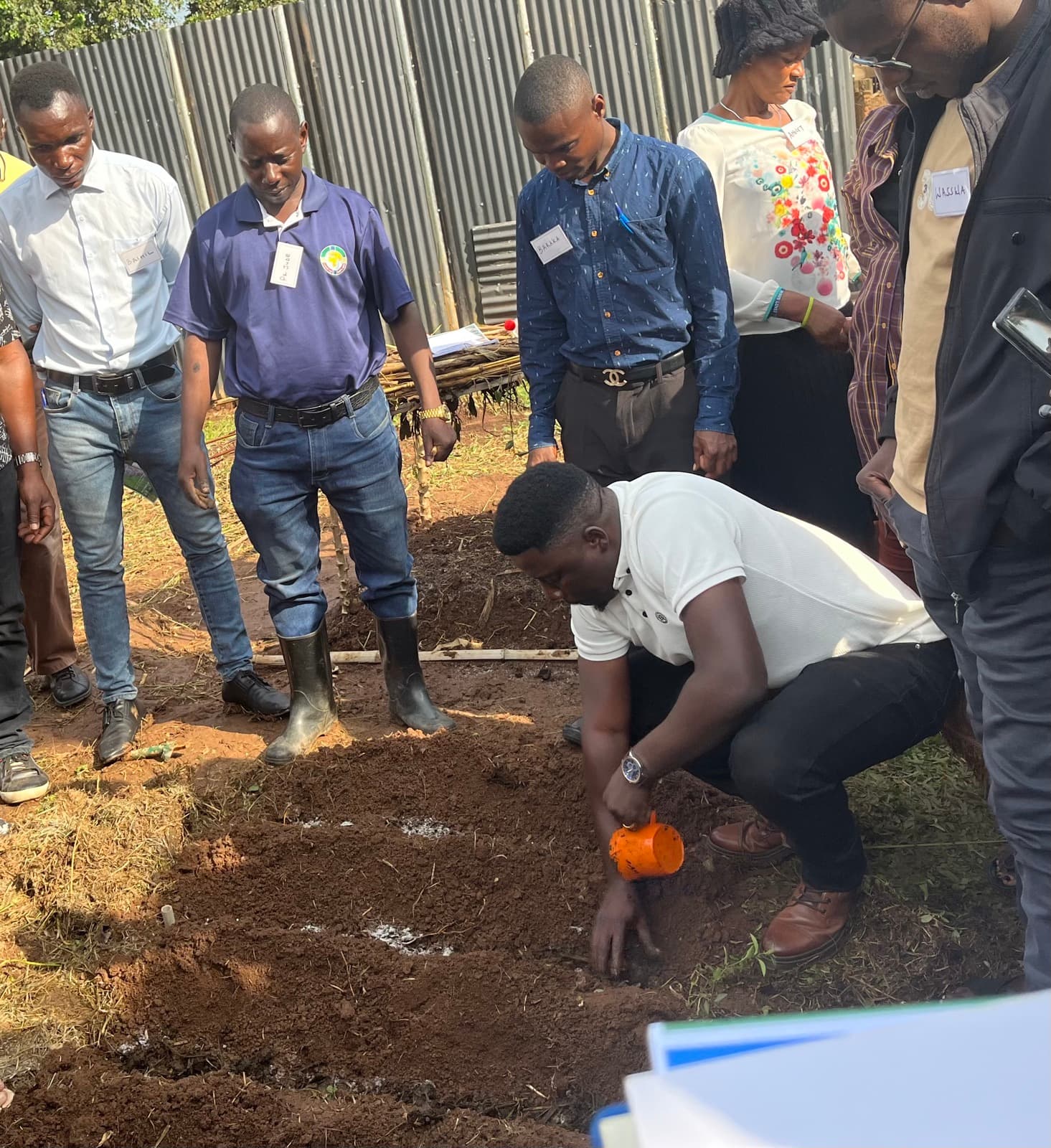
Visitors sometimes ask why our staff are in the soil at a training rather than standing at the front of it. The short answer is that it works better.
Watching is not learning
A farmer who watches a demonstration can describe ridging. A farmer who has opened a furrow to the right depth, with their own hoe, on their own slope, can do it. Only one of those changes what happens on their plot.
It settles the question of who knows what
Most people in the group have farmed for longer than we have. Working alongside them makes that obvious and makes the session a conversation rather than a lecture.
It exposes bad advice quickly
Practices that are awkward in the field get found out in the first hour. That has changed our curriculum more than once.
The cost
Sessions take longer and groups have to be smaller. We think it is the right trade.